
To sell any type of alcohol in California, you must hold the proper liquor license. The tricky part is that there are roughly 80 different types of liquor licenses in California, each specific to the type of facility, sale, and form of alcohol, as well as where it is consumed. Understanding details like each license’s purpose, fees, and acquisition process can help you choose the right one for your premises.
But, you must choose wisely. As the true license will bring you time and fortune, a false license will take it from you.
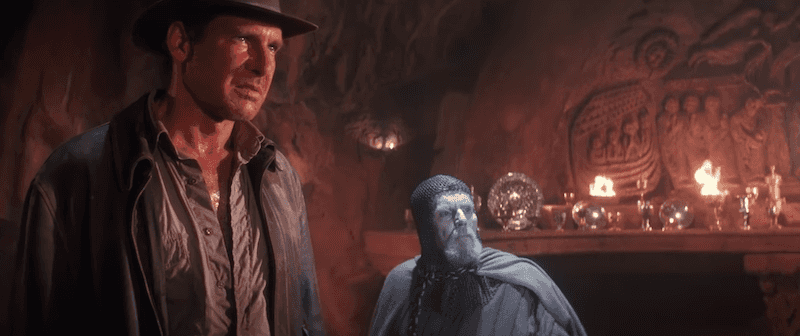
Unlike this infuriatingly unhelpful knight, Permit Place can guide you through the process and the decisions you’ll have to make (or manage the whole process for you).
We wrote this resource to explain:
- The types of California liquor licenses available.
- How to choose the right one for your business.
- The associated fees and timeframes.
We also provide answers to some frequently asked questions near the end.
Getting a California liquor license can be a complicated crusade (sorry, last reference), but our team has done it hundreds of times. We are here to help should you have questions.
Sincerely,
– Mike Robinson (not named after the family dog)
California Type 41 Beer & Wine Applications
A step-by-step guide for restaurants in need of a beer and wine liquor license.
Table of Contents
Intro to California Liquor Licenses
The Alcoholic Beverage Control Department
Types of California Liquor Licenses
California Liquor License Costs
How to Get a California Liquor License
What California Liquor License Do You Need?
Steps to Get a California Liquor License
Frequently Asked Questions
Quick Introduction to California Liquor Licenses
California liquor license law focuses on three main tiers:
- Manufacturers such as breweries and wineries.
- Distributors who sell alcohol to wholesalers and importers.
- Retailers who sell to their customers.
Retail includes two types of licenses:
- “on-sale” where customers consume drinks on-site such as in a bar or pub.
- “off-sale” meaning customers cannot drink alcohol in establishments, which includes grocery stores, liquor stores, and other retail outlets.
Because alcohol permitting and California can be complex, we’ve narrowed our focus to Retailers > On Sale, or what we’ll call hospitality liquor licenses. In other words, restaurants, bars, hotels, and other establishments that serve alcohol for consumption on premise.
Related Resource
The Complete Guide to Los Angeles Restaurant Building Permits
It Starts with ABCD: The Alcoholic Beverage Control Department

The California Department of Alcoholic Beverage Control (ABC) is the governmental agency that regulates the manufacture, distribution, and sale of alcoholic beverages for the State of California.
In other words, there is no Los Angeles liquor license, San Francisco liquor license, or San Diego liquor license. There is only a California liquor license.
The ABC performs three main functions:
- Controls all licensing for the sale of alcoholic beverages.
- Administers those licenses.
- Performs compliance assessments.
Agents of the ABC perform multifaceted checks and inspections of liquor license applications to determine the moral standing of applicants and the feasibility of selling alcohol at the proposed site.
Once a district office completes the licensing reports, the application passes to a representative in Sacramento for review and finalizing.
Approved liquor licenses are awarded to the business owner, not the location. In other words, if you decide to move your restaurant across the state, your liquor license is still valid. The new location may require its own permit, but we’ll get to that later.
Applicants that are denied a liquor license can appeal the ABC’s decision.
Enforcement: ABC Officers are Official Peace Officers
ABC officers, under Section 830.2 of the California Penal Code, are empowered peace officers who investigate venue owners for violations against the Business and Professions Code, with the power to make arrests if necessary. Transgressions could result in severe disciplinary repercussions and having their liquor license suspended or revoked.
The ABCs mission statement is:
“The mission of the Department of Alcoholic Beverage Control is to provide the highest level of service and public safety to the people of the State through licensing, education, and enforcement.”
How to Contact the California ABC
The California Department of Alcoholic Beverage Control is headquartered in Sacramento, but has district offices throughout the state.
Phone: (916) 419-1319
Email: [email protected].
Address: 2400 Del Paso Road, Suite 155, Sacramento CA, 95834.
Office hours are from 8:00 a.m. to 5:00 p.m.
California business owners can search the ABC district offices page for an office close to them.
Types of California Liquor Licenses and Costs
There are nearly 90 different liquor licenses issued by the Golden State’s ABC. Different licenses regulate specific kinds of facilities such as restaurants or bars, outline what type of alcoholic beverages are legal can be sold, and whether minors can be on site. The first step is to figure out which is right for your organization.
All licenses have one thing in common; they do not allow selling or consumption of alcoholic beverages to anyone under the age of 21.
Not knowing what type your business needs will put you in a difficult position, possibly causing undue complications and delays.
Definition: (n.) Bona Fide Eating Place
A term you’ll see often with liquor licensing is “bona fide eating place.” This term applies to businesses that meet the following criteria:
- Include suitable kitchen equipped to serve ordinary meals (versus only appetizers to accompany drinks).
- Show that a minimum of 51% of gross receipts are from food sales.
Three Common Types of ABC Liquor Licenses
The most common types of California liquor licenses issued include:
- Type 41 – Beer & Wine ONLY On-sale License Bona Fide eating place – This license is the most common the ABC offers. This license is not subject to a full liquor license, but is an “over the counter” process for food industry businesses that serve food and occasional beer or wine.
- Type 47 On-sale General Bona Fide eating establishment – This license is required for a restaurant selling alcohol and food.
- Type 48 On-sale General Public Premises – A bar, pub, or grill not serving food, just alcohol, needs a Type 48 license and all patrons must be 21 or older.
For California liquor licenses, there are three main costs associated with securing one:
- Application Fee: The ABC charges a fee for processing your initial application. Fees vary depending on the specific license.
- Annual Fee: Each license has an annual fee associated with it. For new licenses this fee is paid upfront when you submit for your license.
- Finger Printing Fee: Background checks are required, and there is a $63 fee for each set of fingerprints that need to be scanned.
California Liquor License Types
There are two main types of California liquor licenses:
- General: These licenses often include hard alcohol. This includes license types 47, 62 and 70.
- Non-General: Mainly reserved for beer and wine sales. This includes license types 41, 42 and 61.
California Hospitality-Focused Liquor Licenses & Costs
A hospitality business serving alcohol for consumption on site comes under the purview of on-sale liquor licenses and must follow certain licensing requirements in California.
Below are the specific California hospitality-focused liquor licenses and the costs:
Type 23: Small Beer Manufacturer
This license is the same as for larger beer manufacturers but contains rules for breweries that manufacture less than 60,000 barrels per year. These include micro-breweries that produce about 15,000 barrels a year, and whose clients are mainly local or regional. Brewpubs come under this designation where a restaurant brews beer sold in draft form on the brewer’s property. (No population restrictions.)
Annual Fee: $400
Type 40 – On-sale Beer
This license is for establishments that serve food such as sandwiches or snacks and does not require full-meal service. Only beer is allowed for consumption on or off the property. This license does not include wine or distilled alcoholic spirits. Minors are allowed on the venue’s property. (No population restrictions.)
Annual Fee: $400
Type 41 – On-sale Beer & Wine – Eating Place
This liquor license applies to restaurants who sell beer and wine consumed on or off the venue’s property and requires the premises are a bona fide eating place. Distilled alcoholic spirits are not allowed except for liqueurs used for cooking. Restaurants must include proper kitchen facilities and sell meals eaten on the property. Minors are allowed on the premises. (No population restrictions.)
Annual Fee: $455
Type 42 – On-sale Beer & Wine – Public Premises
Bars and taverns may sell beer and wine patrons consume on or off the venue’s property but no distilled alcoholic spirits are allowed. These venues are not required to serve food and minors are not allowed on-site. (No population restrictions.)
Annual Fee: $565
Type 47 – On-sale General – Eating Place
Restaurants may sell beer, wine, and distilled alcoholic beverages for patrons to consume on or off the venue’s property and the establishment must operate as a bona fide eating place. The venue has to include a proper kitchen and make and serve substantial meals consumed on-site regularly. Minors are allowed on-site.
Application Fee: $6,000
Annual Fee: $790
City population 20k to 40K
Application Fee: $6,000
Annual Fee: $1,010
City population more than 40K
Application Fee: $6,000
Annual Fee: $1,235
Type 48 – On-sale General – Public Premises
This is a license that allows the sale of beer, wine, and distilled alcoholic spirits in a bar, night club, or similar venue for consumption on or off the property. Foodservice is not required. Minors are not allowed. (No population restrictions.)
Application Fee: $15,835
Annual Fee: $790
City population 20k to 40K
Application Fee: $15,835
Annual Fee: $1,010
City population more than 40K
Application Fee: $15,835
Annual Fee: $1,235
Type 61 – On-sale Beer – Public Premises
Bars and taverns may serve beer only for patrons consuming on or off the venue’s property. Wine or distilled alcoholic spirits are not allowed on-premises. Minors are not allowed and warning signs must be clearly displayed. The venue does not have to serve food. (No population restrictions.)
Annual Fee: $790
Type 62 – On-sale General Bona fide Public Eating Place Intermittent Dockside Vessel
No population restrictions.
Annual Fee: $790
Type 66 – Controlled Access Cabinet Permits
Hotels and motels that provide packaged distilled alcoholic spirits in guestrooms must limit the amount to 50 milliliters or less, and the alcohol must be in a locked cabinet.
Annual Fee: $814
Type 70 On-sale General-Restricted Service
This license authorizes beer, wine, and distilled alcoholic spirits for consumption on hotel property including guests and their visitors. Hotels and motels providing suites and a complimentary happy hour obtain this license. Minors are allowed on site.
Application Fee: $6,000
Annual Fee: $790
City population 20k to 40K
Application Fee: $6,000
Annual Fee: $1,010
City population more than 40K
Application Fee: $6,000
Annual Fee: $1,235
Type 75 Brew Pub – Restaurant License
This restaurant liquor license authorizes the sale of beer, wine, and distilled alcoholic spirits for patron’s consumption on a bona fide venue’s property and the establishment may brew a limited amount of draft beer. Alcoholic beverages must be consumed on-site and minors are not allowed.
Application Fee: $6,000
Annual Fee: $790
City population 20k to 40K
Application Fee: $6,000
Annual Fee: $1,010
City population more than 40K
Application Fee: $6,000
Annual Fee: $1,235
Costs are subject to change and are often not representative of the full expense associated with obtaining a liquor license.
Total California Liquor License Costs?
While the California Department of Alcoholic Beverage Control has there fees, there are some other fees you need to be aware of when requesting a liquor license.
Conditional Use Permit: To get a California liquor license you may also need to obtain a conditional use permit or zoning permit for your facility. See below for more details on this, but for now it’s worth mentioning, it can take months to receive the proper entitlements and the costs vary depending on the location, jurisdiction, and whether the location meets the requirements from the ABC.
Open Market Variability: Liquor licenses that include spirits or hard alcohol typically have to be purchased from the open market and transferred to you. They are a limited number of existing licenses available. Because of this, supply and demand may drive up the value of a liquor license. In these situations, there are also transfer fees that need to be considered.

How to Get a California Liquor License
In order to receive a liquor license in California, businesses must also secure a conditional use permit (CUP).
The ABC requires that you obtain the proper zoning permits through your local municipality. These entitlements are most often called Conditional Use Permits (CUP) and, although the CUP process may occur concurrently with the state process, it is different from a liquor license.
A CUP allows the serving of alcohol on the property itself. Its benefits remain with the location, so future business can use it if ownership changes.
Conversely, a liquor license is issued to the owners of the business allowing the sale of alcoholic beverages at a particular location. Once you have your liquor license you may be able to bring it with you if you choose to relocate your restaurant.
Both local municipalities and the ABC closely monitor the number of restaurants serving alcohol to avoid:
- Overconcentration: A ratio of existing licenses to population at the county level.
- High crime rates: “High crime” exists if the crime rate exceeds the municipality’s average by 20%.
If either case exists, you may need to obtain a finding of “public convenience and necessity” (PCN), which may include an additional public hearing. By state law, if the local municipality does not grant a PCN, then the ABC cannot approve your license application.
Once Approved
Once your CUP is approved, all conditions need to continually be met with city approval and sign off. The ABC and cities impose stringent regulations making sure the permit owner adheres to all rules while the permit is in force.
Which California Liquor License Do You Need?
Determining what liquor license is right for an establishment means combing through the variables of each ABC license type.
For instance, any venue that is a bona fide eating place will likely purchase a Type 41 or Type 47 license.
Type 41 allows only beer and wine sold with food. Type 47 provides authorization to sell beer, wine, and distilled alcoholic spirits with bona fide foodservice and incurs higher fees. It’s also often more difficult to obtain a Type 47 license in a high population area with numerous existing Type 47 license holders.
5 Questions to Ask Before Applying for a Liquor License
Permit Place compiled the top five questions to ask as preparation for applying for a California liquor license.
- What type of license best suits the needs of my restaurant? Restaurant owners will likely come under a Type 41 or Type 47 license as long as they are a bona fide eating establishment. Again, bona fide indicates full meals as opposed to sandwiches and appetizers. A minimum of 51% of gross receipts must be from food sales.
- What type of local permit do I need to serve alcohol? This question is part of the zoning permit process and restricts serving alcohol within certain locations and during particular times.
- How many other restaurants are serving alcohol in the area? California limits the number of liquor licenses provided based on location. Census tracts provide information about areas that are over-concentrated with existing liquor licenses or have a high crime rate of 20% more than the city’s average. In this case, a business owner may only get approval for a liquor license if they provide evidence of public convenience and necessity (PCN).
- How much time am I willing to spend obtaining my license? As discussed, zoning approval alone takes anywhere from 3 to 12 months to complete and a liquor license approval varies under many different circumstances. While applicants can take advantage of an expedited application review offered by some municipalities, these licenses cost much more than a standard license review.
- What can I afford to spend obtaining my liquor license? The zoning permit fees alone may range from several thousand dollars to as high as $15,000. The ABC state liquor license ranges start at $1,305 for a Type 41 and can sometimes reach up to $50,000.
Evaluating your business’s needs and considering the timing, budget, and costs are all integral factors in deciding the Type of licenses needed.
Steps to Get a California Liquor License
To receive a Liquor License, you’ll need to contact or visit, in person, the ABC district office nearest to their location. All applicants involved and any transferee applicants must all be present. An ABC representative will advise everyone on pertinent laws, rules and regulations, and how the transfer application process works.
Process Steps
- If you’ve decided to transfer an existing license, you’ll need to establish an escrow account first. Unlike escrow for a real estate transaction, liquor license escrow cannot close until the ABC provides authorization to the escrow holder. The escrow must be set up with a qualified escrow holder before filing for a liquor license.
- Using this guide and other online resources, study the types of liquor licenses to determine the one that meets your business’s needs.
- Submit an application form for the exact type of liquor license you chose. Applications are available at all ABC district offices and online at www.abc.ca.gov/licensing/license-forms/.
- It will take a minimum of one month for a public response and after the application is filed with the ABC, a notice is posted for the public to inform them of the liquor license application. The public has 30 days to file an objection to a license being granted.If no objections are filed, the ABC will launch an investigation into the licensee, business type, background checks on all applicants, and the proposed business’ location. In-person interviews may be requested. This investigation takes an average of 45 to 50 days to complete. ABC law requires a waiting period of a minimum of 30 days before the license is approved.
- After the information is compiled and the application reviewed, the license is either approved or rejected. If approved, licensees receive the license in the mail within approximately 90-days. For person-to-person transfers, the average time for receiving a license is 75 days. Upon approval, an ABC agent performs a detailed inspection of the premises to ensure compliance with the licensing requirements.
- For rejected applications, the licensee may file an appeal and it could take longer if there were any objections by the public.
Keep in mind that the time it takes to obtain approval for a California liquor license depends on quite a few factors but the business owner can expedite this process with proper preparation or the assistance of a license acquisition expert. Get a permit quote today.
Steps to Get an Existing California Liquor License
The same application process applies to transferring a license as obtaining a new one. If a transfer entails a new location for the liquor license, a new zoning permit must be filed and approved.
The transfer process of a liquor license takes almost as much time as a new license application and the transferee cannot sell alcohol at the establishment unless a 120-day permit is obtained. This permit requires the existing license to have been current for at least 30 days prior to application.
Please note, this usually only pertains to type 47 licenses where alcohol spirits are required. Rarely are Type 41 licenses transferred to a new owner except for in the sale of a business.
How to Find a Liquor License to Transfer
In order to find a private liquor license seller, you have a couple options. You can use the services of a California liquor license broker or find out about a business wanting to sell its license through word-of-mouth.
Costs to Transfer a California Liquor License
When transferring a liquor license, you’ll typically incur 50% of the original fees of the particular license type but this is limited to charges no more than $1,250.
For a license with no origination fee, there is a one-time charge of $100. If the transfer includes moving the establishment to another county in California, the fee is much higher at $6,000.
Liquor licenses cannot be transferred to another person for at least two years from the issue date unless special circumstances exist that would cause unnecessary hardship on the establishment’s owner.
Check for Liens on the Liquor License
The California Business and Professions Code (BPC) exists to govern the transfer of liquor licenses and to investigate possible liens against the existing license. The ABC will not allow a license transfer with an existing lien against it. Any liens you wish to pay off must be done in proper order or liability concerns arise for the license’s escrow.
California Liquor License Frequently Asked Questions and Answers
How to acquire a bar license?
For a restaurant that serves occasional beer and wine with meals, a wine bar without food service, or a local brewery, a beer and wine license is a more affordable option. Applicants can apply directly with the ABC or purchase a license from a brokerage or private seller. Many businesses also work with a permit expediter to streamline the application process and ensure all requirements are met.
How do I get a liquor license for an event?
An establishment with a liquor license can apply for a Type 77 liquor license when putting on an event directly adjacent to the establishment’s premises. These event licenses are limited to four days each calendar year.
What is the difference between a California beer and wine license and a liquor license?
A beer and wine license limits alcohol sales to beer and wine only and a liquor license allows selling and serving of beer, wine, malt beverages, and distilled alcoholic spirits.
Do you need a liquor license to sell beer?
Yes, any sale of beer, wine, or alcoholic beverages in California requires a liquor license.
Do you need a liquor license to sell kombucha?
Kombucha is a fermented beverage of steeped tea, sugar, yeast strains, and bacteria. The yeast may trigger fermentation causing the kombucha to develop an alcohol content of 0.5%. Kombucha that includes a liquor content of over 0.5% is considered alcohol and requires a permit with the Alcohol and Tobacco Tax and Trade Bureau.
Can I take my liquor license to a new location?
Once a California liquor license has been in use for more than two years, it can be transferred to a new venue through an application with the ABC license approval system. Many businesses use California permit expediting services to help navigate this process efficiently and ensure a smooth transfer.
Who can help me get a California liquor license?
You can apply for a liquor license at the ABC district office near you, or hire a firm like Permit Place to assist in obtaining a license. It’s crucial to ensure the brokerage firm is licensed, bonded, and insured. Many businesses also rely on professional permit expediting services to navigate the process efficiently and avoid delays.
Additional California Alcohol Permit Resources
- Airbnb Information Concerning Alcohol and Guests: Informative article to assist Airbnb hosts with learning about some of the laws and registration requirements concerning guests and alcohol.
- Important ABC Information on Cannabis and Alcohol: With the passage of recreational and medicinal cannabis use, liquor licensees in California need to know what activities are permissible on and inside premises holding an ABC liquor license.